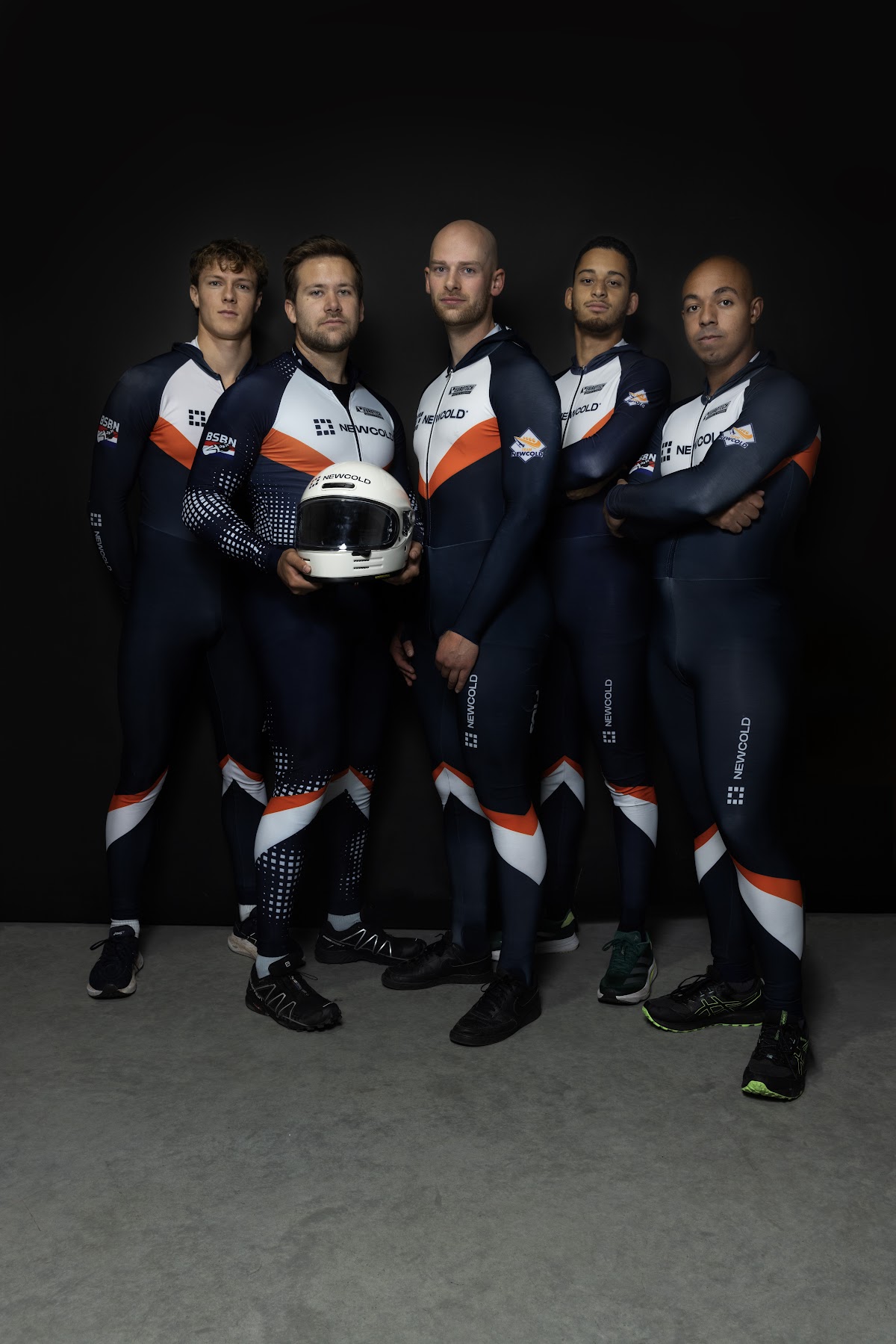
Formula One on ice
Bobsleigh is one of the fastest and most technical winter sports in the world: explosive athletic performance, advanced engineering, precision steering, teamwork and aerodynamics — decided by hundredths of a second.
Racing the clock
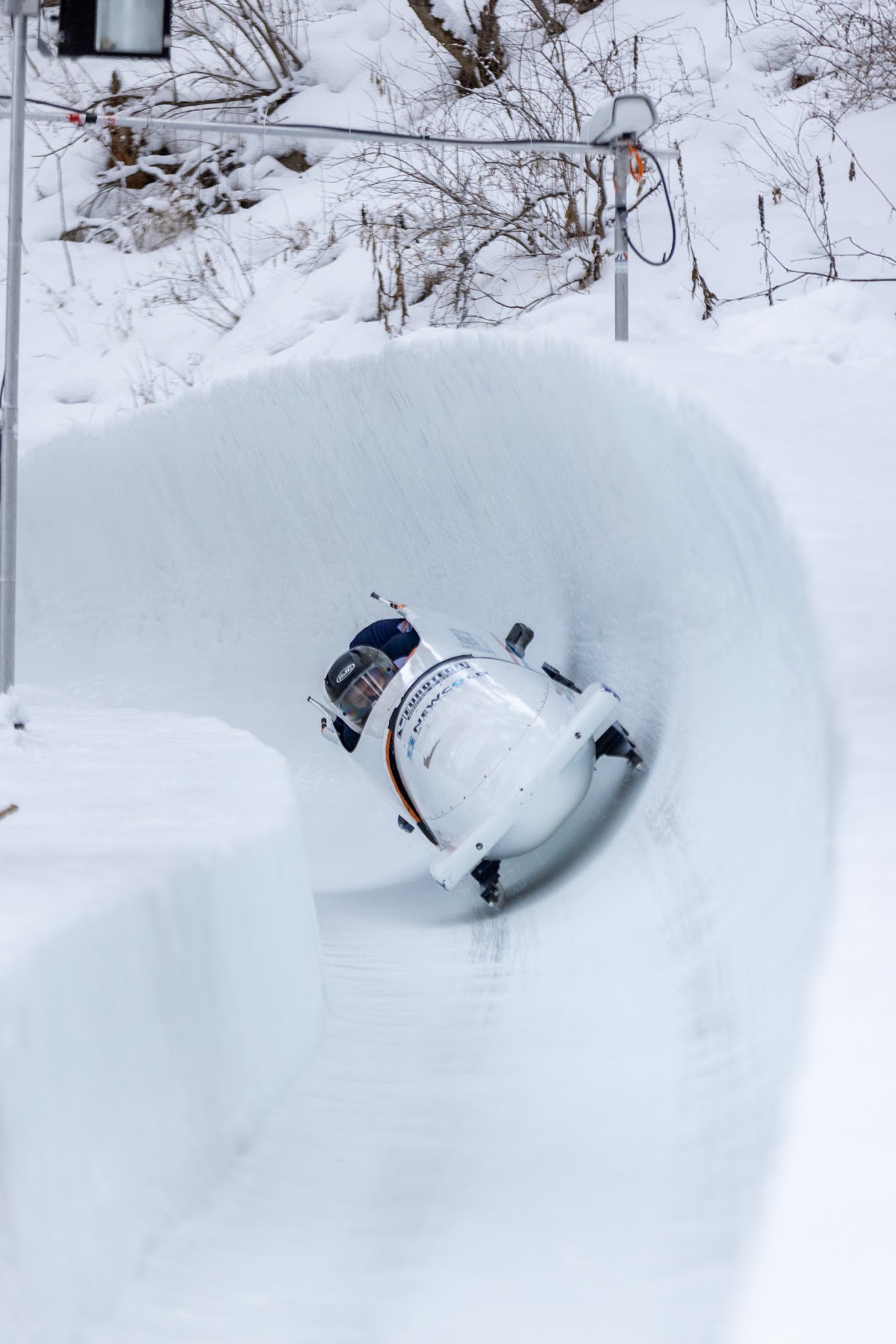
In a bobsleigh race, teams compete against the clock down an ice track in a specially designed sled. During a run the sled reaches speeds of up to 140 km/h, while athletes experience significant G-forces through the corners.
At the highest level, races are frequently decided by just a few hundredths of a second — which is why every detail, from the first push to the final corner, matters.
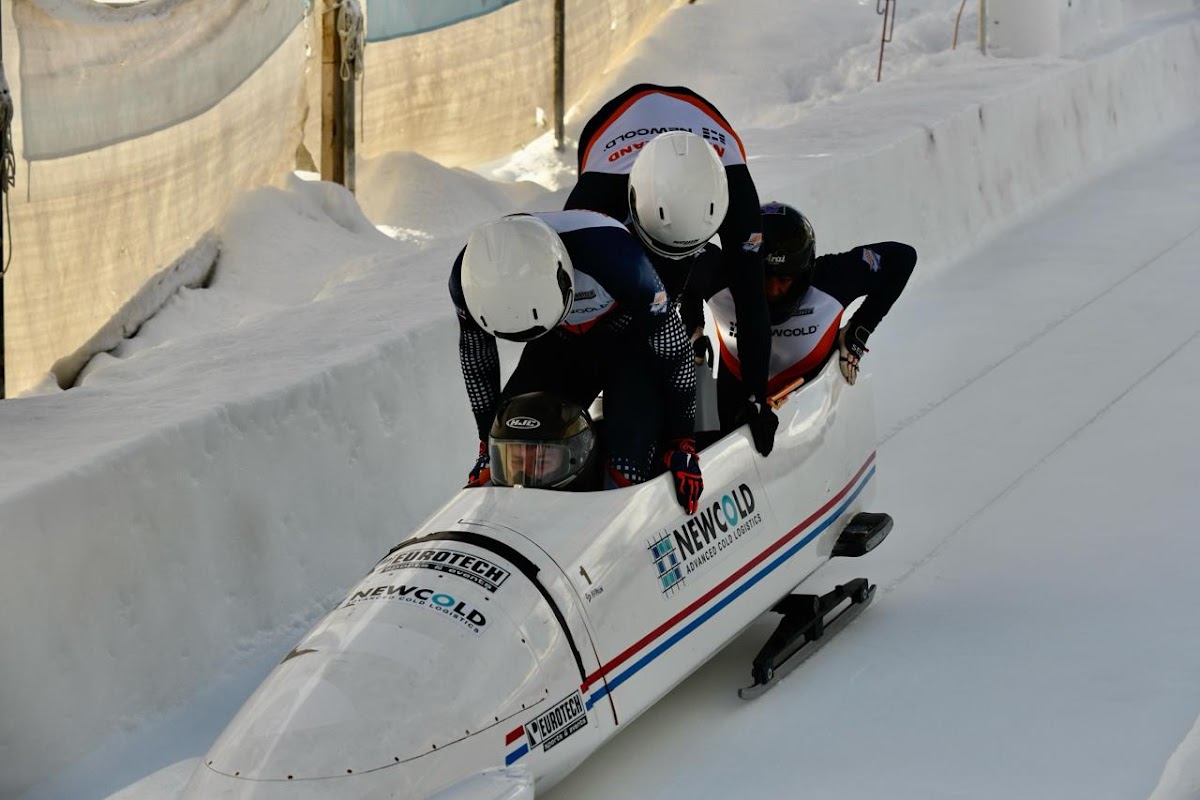
2-man bobsleigh BSM-2
- Crew
- Pilot + brakeman
- Min. weight
- 170 kg (sled)
- The job
- Two athletes launch the sled, then the pilot takes over the ice.
4-man bobsleigh BSM-4
- Crew
- Pilot + 3 push athletes
- Min. weight
- 210 kg (sled)
- The job
- Four sprinters, one machine — the heavyweight discipline of the sport.
Moving a sled of this weight from a complete standstill requires tremendous strength, explosiveness and sprinting ability — which is why many bobsleigh athletes come from athletics, rugby and other power-based sports.
Every race begins with a sprint
The team sprints while pushing the sled before loading in at full speed. The goal is simple: generate as much speed as possible in the shortest amount of time. It takes maximum strength, explosive power, sprint speed and perfect timing — a fast start creates an advantage that carries through the entire run.
Steering the sled
Once the athletes are inside, everything shifts to the pilot. Using a steering mechanism connected to the front runners, the pilot guides the sled through a series of technical corners at extremely high speed.
It looks simple from the outside, but it takes years of experience: memorising every corner and transition, anticipating movements before they happen, reacting within fractions of a second, and holding the fastest racing line. Too much steering slows the sled down; too little results in mistakes that cost valuable time.
Preparing the sled
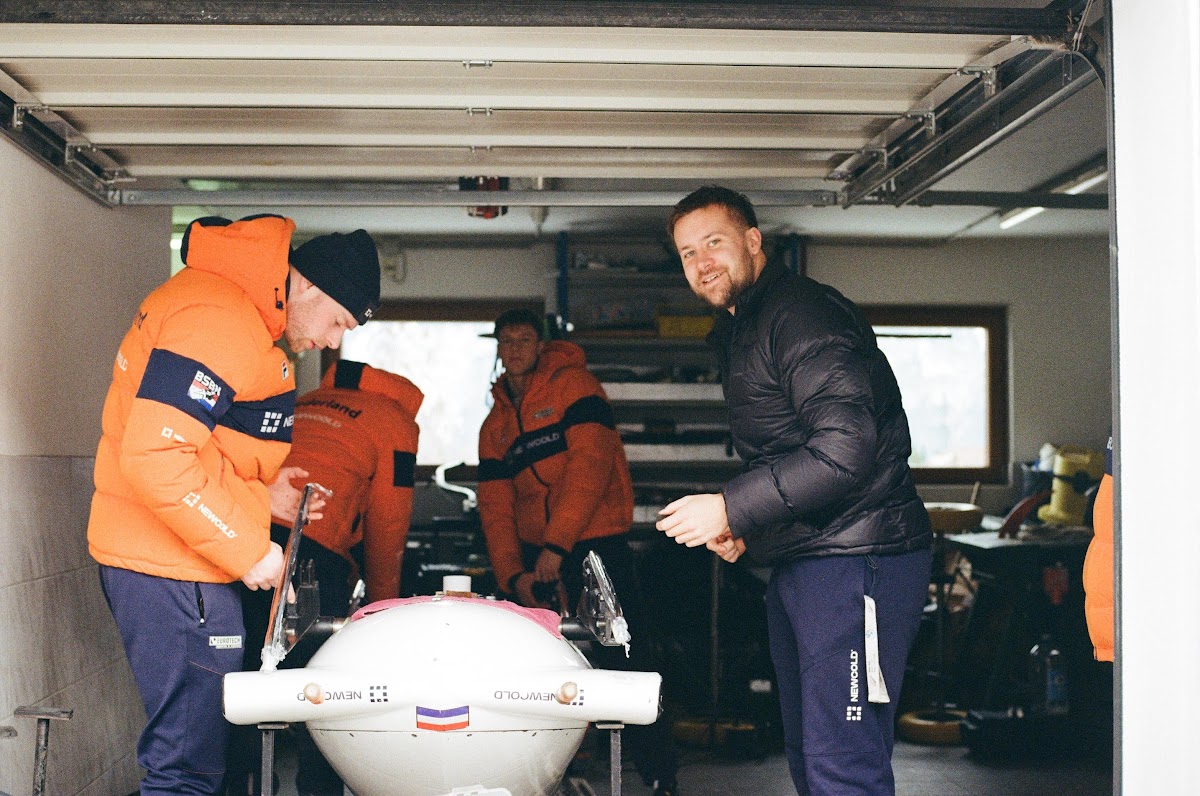
Before every race, a significant amount of work goes into the sled. The runners — the metal blades underneath — are carefully polished and maintained to minimise friction with the ice. Teams also check steering systems, weight distribution and the overall condition of the sled.
Just like in motorsport, success is not only determined by the athlete but also by how well the equipment is prepared. Small adjustments can make the difference between gaining or losing speed.
Three factors decide every run
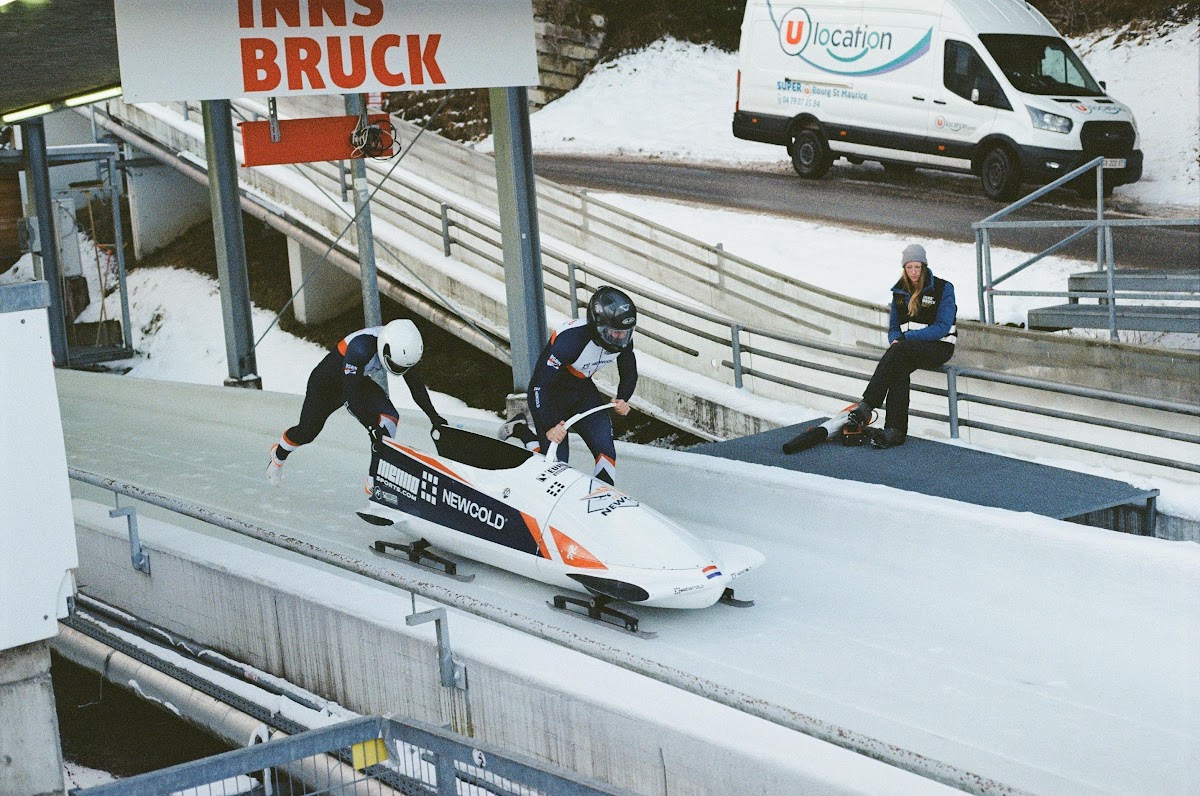
1Start speed
The faster the team accelerates the sled at the start, the more momentum is carried into the track. With races decided by hundredths, an explosive start makes a real difference.
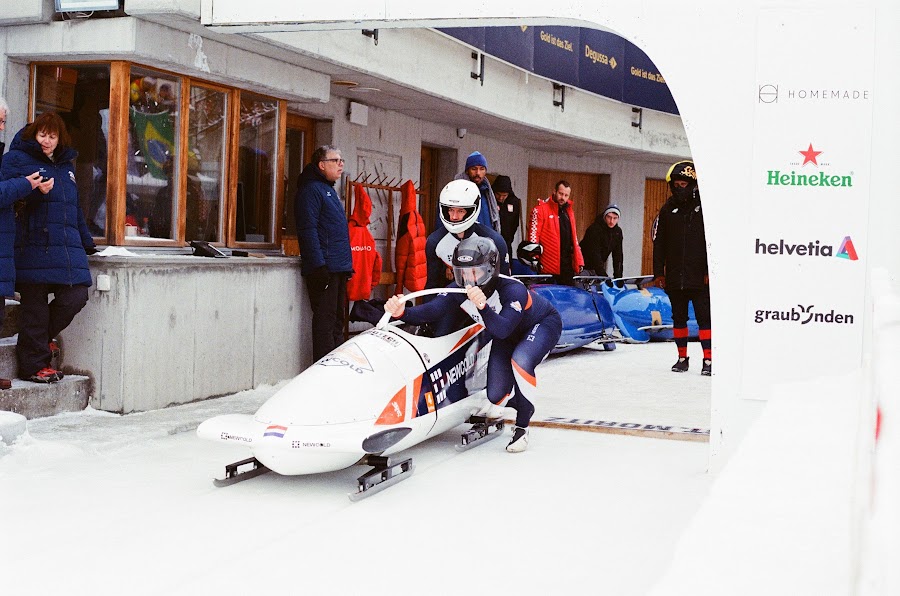
2Steering quality
The pilot's racing line and precise inputs have a major impact on the final result. Smooth steering maintains speed; mistakes quickly cost time.
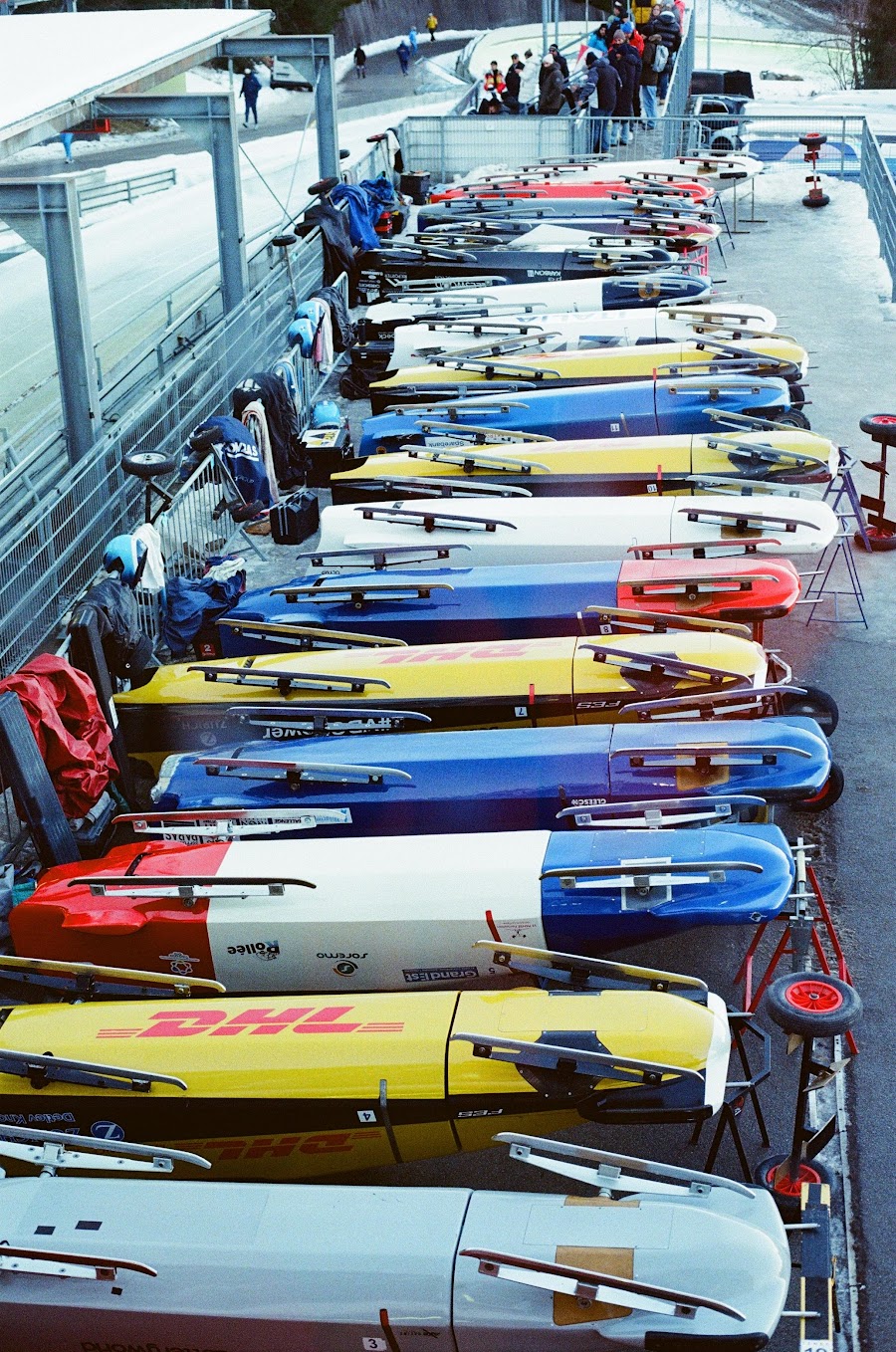
3Equipment
Sled quality, runner preparation, weight distribution and setup all influence speed on the ice. Teams spend countless hours chasing the smallest gains.
When these three elements come together — start speed, steering quality and equipment — a team reaches its maximum performance.
Everything, all at once
What makes bobsleigh unique is the combination of so many different aspects of sport. It demands the explosive power of a sprinter, the technical precision of a racing driver, the teamwork of a crew sport, and the courage to race down an ice track at over 140 km/h.
Every run presents a new challenge, and every hundredth of a second offers an opportunity to improve. As I continue my journey from brakeman to pilot, that is exactly what keeps me learning, developing and pushing towards my ultimate goal: the Olympic Winter Games.
Read my story